
Shopping Center Cleaning Services Northern VA
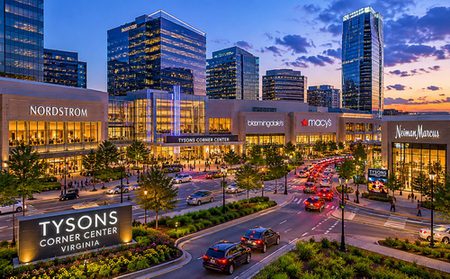
Image generated of Tysons Corner near Fairfax, VA
What is shopping center exterior cleaning?
Shopping center cleaning is a scheduled, multi-surface exterior maintenance service for retail properties, covering walkways, storefronts, parking areas, dumpster pads, awnings, gum removal, and graffiti response. Aqua Clean Solutions delivers this service across Northern Virginia and Southern Maryland, scheduling overnight to avoid disrupting tenants and handling wastewater with stormwater controls.
A clean retail property is the first signal a shopper reads, often before a single tenant logo. Aqua Clean Solutions provides scheduled exterior cleaning for shopping centers across Northern Virginia and Southern Maryland, scoped to multi-tenant retail and built around the operational realities of running a center.
What does shopping center cleaning include?
Shopping center cleaning is a multi-surface exterior service designed for retail properties that share walkways, parking, and trash facilities across several tenants. A complete program for a strip mall, plaza, or open-air center covers the surfaces customers see first and the back-of-house areas that drive tenant complaints.
Core services for a retail property include:
- Walkway and sidewalk pressure washing. Removes ground-in dirt, food spills, beverage residue, and the dark traffic lines that form along storefronts.
- Storefront soft washing. Cleans tenant facades, stucco, EIFS, vinyl, and painted surfaces using low-pressure detergent application that will not damage signage, gaskets, or window seals.
- Gum removal. Lifts hardened chewing gum from sidewalks and entryways using heat and pressure rather than solvents that can stain concrete.
- Graffiti removal. Eliminates spray paint and marker from CMU, brick, painted metal, and EIFS without the patchwork look of paint cover-up.
- Parking lot, drive lane, and entrance cleaning. Targets oil drip lines, drive lanes, and curbed traffic islands where dirt builds up fastest.
- Dumpster pad and trash enclosure cleaning. Degreases and sanitizes the most complaint-prone area of any retail center, removing leachate stains and odors.
- Awning and canopy washing. Restores fabric and metal awnings to their original color, which lifts the appearance of every tenant underneath.
- Drive-thru lane cleaning. Addresses the heavy oil and food residue specific to QSR and coffee tenants inside larger centers.
Each surface above uses a different combination of water temperature, pressure, and detergent. Choosing the wrong method on a storefront can void warranties on EIFS, stucco, or commercial glazing systems, which is why retail centers should not be cleaned with the same approach used on residential driveways. For background on the underlying methods, see our guide to the difference between soft washing and pressure washing.
How often should a shopping center be cleaned?
Cleaning cadence for a shopping center varies by surface, foot traffic, and tenant mix. A center with food and beverage tenants needs more frequent walkway service than a service-retail center with no food. The schedule below reflects what most well-maintained centers in Northern Virginia and Southern Maryland follow.
| Surface | Recommended frequency | Driver |
|---|---|---|
| Storefront walkways | Monthly to quarterly | Foot traffic, spills, gum |
| Storefront facades (soft wash) | Annually | Mildew, pollen, traffic film |
| Parking lot drive lanes | Twice per year | Oil, tire marks, leaf staining |
| Dumpster pad and enclosure | Monthly | Leachate, odor, pest pressure |
| Awnings and canopies | Annually | UV oxidation, mildew, dust |
| Drive-thru lanes | Monthly | Food residue, oil concentration |
| Graffiti and gum response | Within 24 to 72 hours | Brand image, tenant relations |
Centers with grocery anchors, food courts, or QSR tenants generally need walkway service on a monthly schedule. Centers with professional or service tenants can often run quarterly without a visible decline.
Why does after-hours scheduling matter for retail centers?
After-hours scheduling matters because pressure washing during business hours interrupts foot traffic, parks equipment in customer-facing positions, and creates wet walkways that introduce slip risk during the busiest part of a tenant’s day. Overnight service keeps the property dry and accessible by opening time and avoids conflicts with delivery windows.
For a multi-tenant retail center, we typically run service between roughly 10 p.m. and 6 a.m. so the property is dry, cleared of any cones, and presentable before the first tenant opens. Overnight service also avoids two recurring property manager headaches: tenant complaints from delivery and lunch rush conflicts, and parking lot blockage when refreshing high-traffic walkways. Our crews carry the lighting, GFCI-protected power, and water staging needed to work safely overnight, and we coordinate timing with property management around anchor tenant deliveries.
How is stormwater handled during shopping center pressure washing?
Stormwater handling is the most overlooked compliance issue in shopping center cleaning. Under the federal NPDES program and local stormwater ordinances in Virginia and Maryland, wash water from commercial pressure washing is considered an industrial discharge and cannot enter storm drains untreated, which exposes the property owner, not just the contractor, to enforcement risk.
Aqua Clean Solutions handles wash water at shopping centers using three controls in combination:
- Block and divert. Storm drains in the work area are covered with reusable drain seals or sandbag berms before any washing begins.
- Capture. Wash water is recovered with vacuum recovery units, wet vacs, or surface cleaners with integrated reclaim, depending on the surface.
- Dispose. Recovered water is either filtered and discharged to the sanitary sewer, where permitted, or hauled off-site to an approved disposal facility.
Certificates of insurance and, on request, documented wastewater handling are provided for property managers who need them for ESG reporting or tenant compliance audits.
What surfaces in a shopping center require which cleaning method?
Different surfaces in a retail center call for different cleaning methods, and using the wrong one is the most common reason property managers end up paying for repairs after a cleaning. The right method depends on substrate sensitivity, soil type, and proximity to glazing or signage.
- Soft wash (low-pressure, detergent-based): storefront facades, EIFS, stucco, painted CMU, vinyl awnings, fabric canopies, and any surface near commercial glazing or sign gaskets.
- Pressure wash (high-pressure, water-driven): concrete walkways, concrete pads, drive lanes, dumpster pads, and unpainted brick or pavers.
- Surface cleaner attachment (flat pressure with recovery): large flat concrete areas, such as storefront sidewalks, where it produces an even finish and integrates with wash water recovery.
- Hot water and steam: gum, grease film, drive-thru lanes, and dumpster pad organic residue.
Why hire a specialist contractor for shopping center cleaning?
A shopping center is not a large house. The risk profile, the schedule constraints, and the compliance exposure are different, and they reward a contractor that works in the retail vertical regularly. Specialist contractors carry the right insurance, equipment, and tenant coordination workflow for multi-tenant properties.
What property managers and ownership groups gain from a retail specialist:
- Insurance positioned for commercial work, including general liability and commercial auto, with certificates issued to the property owner and managing agent.
- Documented stormwater controls that protect the property from NPDES enforcement and tenant audit findings.
- Overnight crews that can complete a center between closing and opening without disrupting the next business day.
- Tenant communication handled directly, including notices, walkthrough timing, and coordination with anchor delivery windows.
- Surface-by-surface method matching that protects EIFS, signage, and glazing warranties.
Residential pressure washing companies typically do not carry the right insurance, equipment, or water handling for this work.
What is the service area for shopping center cleaning?
Service area for this work covers Northern Virginia and Southern Maryland, including Prince William, Fairfax, Loudoun, and Arlington counties in Virginia, plus adjacent Southern Maryland markets. Aqua Clean Solutions handles single properties and multi-property portfolios, with bidding available on a per-property or master services basis.
To schedule a walkthrough, request a certificate of insurance, or get a written estimate for one property or a portfolio, request a free estimate.
Frequently Asked Questions
How much does shopping center cleaning cost? Pricing depends on square footage, surface mix, foot traffic, and cadence. A monthly walkway program for a mid-sized strip center is priced differently than a one-time deep clean, and dumpster pads and graffiti response are typically priced separately. Written estimates are provided after a walkthrough.
Do you clean during business hours or overnight? Most shopping centers are cleaned overnight, generally between 10 p.m. and 6 a.m., so the property is dry and ready before tenants open. Specific timing is set during scheduling.
Can you remove graffiti without leaving a paint patch? Yes. Graffiti removal uses chemical and pressure techniques matched to the substrate, which lifts the paint rather than covering it. This avoids the patchwork look of paint touch-ups and preserves the original surface color.
Do you handle wash water and stormwater compliance? Yes. Storm drains in the work area are blocked before washing, wash water is recovered with vacuum equipment, and recovered water is disposed of through approved channels. Documentation can be provided for property management records.
Can you service multiple properties under one contract? Yes. Multi-property portfolios can be set up under a single master service agreement with unified cadence, billing, and reporting.
What is the difference between soft washing and pressure washing on a shopping center? Soft washing is used on facades, awnings, and any painted or sealed surface that could be damaged by high pressure. Pressure washing is used on concrete walkways, drive lanes, and dumpster pads. Using the right method on the right surface is the single biggest factor in protecting tenant build-outs and signage warranties.