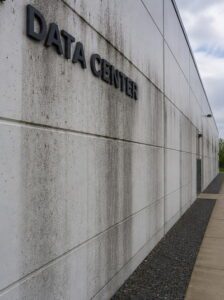
External Contaminants Can Disrupt Your Data Center Cooling Systems
|
Published March 23, 2026 |
What Happens When Dirty Air Enters Your Air Vents?
Temperature ins
tability and external contamination are two of the most common causes of data center performance issues and system failure. When cooling systems are compromised by restricted airflow, debris buildup, or environmental exposure, internal temperatures rise beyond safe operating thresholds. This can lead to reduced processing performance, hardware degradation, increased energy consumption, and, in severe cases, system shutdowns or data loss.
Maintaining controlled environmental conditions and minimizing external contaminants are essential for protecting infrastructure, ensuring operational continuity, and reducing long-term maintenance costs. Proactive exterior maintenance plays a critical role in supporting airflow efficiency, preventing material damage, and sustaining reliable system performance in high-demand data center environments.
Your Data Center Can Be Affected in the Following Ways:
⚠️ 1. Thermal Overload (Overheating)
When cooling is disrupted:
-
Servers generate heat faster than it can be removed
-
Internal temperatures rise beyond safe thresholds
What this causes:
A CPU — the computer’s brain generates heat as it processes data, relying on a fan or other cooling system to regulate its temperature. However, when heat builds up faster than the cooling system can dissipate it, the CPU:
-
can slow its processing of data, AKA throttling.
-
cause an automatic shutdown if it gets too hot, which will shut down the server to prevent damage
👉 In extreme cases, there can be computer hardware burnout
AI Overview
Computer hardware burnout refers to physical damage or component failure (CPU, GPU, power supply) caused by extreme heat, overvoltage, or prolonged, intense operation without adequate cooling. It results in permanent damage, system instability, or total component failure, often causing data loss, reduced productivity, and significant repair costs. Google
⚠️ 2. Performance Degradation
Even before failure:
-
Systems reduce processing speed to control heat
-
Workloads get delayed or redistributed
Real impact:
-
Slower applications
-
Latency issues
-
Reduced processing capacity (especially in AI/cloud environments)
⚠️ 3. Hardware Damage & Shortened Lifespan
Heat + contaminants (dust, moisture, debris):
-
Wear down components faster
-
Damage circuit boards and connectors
-
Cause corrosion on metal parts
Result:
-
More frequent equipment replacement
-
Increased capital expenses
⚠️ 4. Airflow Blockage from Contaminants
External buildup (dust, pollen, debris):
-
Restricts intake vents and cooling pathways
-
Reduces HVAC efficiency
Chain reaction:
-
Poor airflow → heat buildup → system strain
⚠️ 5. Moisture & Corrosion Risks
Contaminants often carry moisture:
-
Leads to condensation in sensitive areas
-
Causes oxidation and corrosion
Worst-case scenario:
-
Electrical shorts
-
Permanent hardware damage
⚠️ 6. Increased Energy Consumption
When systems struggle to cool:
-
HVAC systems work harder
-
Cooling cycles run longer
Impact:
-
Higher energy bills
-
Reduced energy efficiency
⚠️ 7. System Instability & Downtime
As conditions worsen:
-
Systems become unpredictable
-
Errors, crashes, and outages increase
Business impact:
-
Downtime
-
Data processing interruptions
-
SLA violations
⚠️ 8. Data Loss & Risk Exposure
In severe cases:
-
Sudden shutdowns can corrupt data
-
Storage systems can fail
Impact:
-
Loss of critical data
-
Compliance and security risks
🚨 Bottom Line
Temperature and contamination issues don’t just affect equipment. They impact:
-
Performance
-
Reliability
-
Costs
-
Business continuity
👉 In data centers, even small environmental issues can scale into major operational failures if not controlled.
The Hidden Costs of Exterior Neglect in Data Centers
Exterior neglect introduces gradual but compounding financial risks to data center operations. Accumulated debris and biological growth accelerate material deterioration, leading to premature roof repairs, siding replacement, and structural maintenance costs.
In addition, restricted airflow and environmental buildup increase system workload, which can drive higher energy consumption and shorten equipment lifespan. Deferred maintenance often results in reactive spending, where minor exterior issues escalate into larger capital expenses that impact long-term operational budgets.
Airflow Optimization Strategies for High-Density Data Centers
High-density data centers rely on precise airflow management to maintain consistent thermal conditions across equipment. Exterior conditions directly affect how effectively air is drawn into and expelled from the facility.
Optimizing airflow begins with maintaining clear intake pathways, reducing obstructions, and ensuring that rooftop and exterior ventilation systems operate without resistance. Strategic exterior maintenance supports balanced airflow distribution, which is particularly critical for facilities supporting AI workloads, cloud computing, and other high-performance environments.
Determining the Right Exterior Maintenance Schedule for Your Facility
Establishing an appropriate maintenance schedule depends on multiple environmental and operational factors. Facilities located in regions with high pollen counts, humidity, or nearby construction activity may require more frequent exterior service due to accelerated contamination buildup.
Other considerations include facility size, surrounding landscape, and operational intensity. A tailored schedule ensures that maintenance aligns with real-world exposure conditions rather than a one-size-fits-all approach, allowing for more effective long-term planning.
Material-Specific Cleaning Protocols for Data Center Infrastructure
Data centers are constructed with a range of specialized materials, each requiring specific cleaning methods to prevent damage. Roofing systems such as TPO and EPDM membranes must be handled with controlled pressure and compatible cleaning solutions to preserve their integrity.
Similarly, metal cladding, structural concrete, and glass surfaces require targeted approaches that account for corrosion risks, surface sensitivity, and manufacturer guidelines. Proper protocol selection ensures that cleaning processes support long-term durability rather than introducing additional wear.
Inspection Readiness and Compliance for Data Center Facilities
Exterior condition plays a key role in how facilities are evaluated during inspections, audits, and insurance reviews. Clean, well-maintained surfaces reflect consistent operational oversight and adherence to facility management standards.
Preparation for inspections often includes addressing visible buildup, staining, and structural presentation. Maintaining exterior conditions supports documentation efforts, reinforces compliance readiness, and contributes to a more favorable assessment during both internal and third-party evaluations.
Case Study: Performance Improvements After Exterior Maintenance
A Northern Virginia data center underwent a comprehensive exterior maintenance program following increased debris accumulation and visible rooftop buildup. After service, the facility reported improved airflow conditions, reduced strain on cooling systems, and enhanced exterior integrity.
Inspection feedback also reflected a stronger facility presentation, with fewer maintenance concerns noted during evaluation. The project demonstrated how targeted exterior work can contribute to measurable operational improvements without disrupting ongoing activity.
Environmental Contamination Cycles and Seasonal Impact on Data Centers
Environmental factors vary significantly throughout the year, influencing how contaminants accumulate on data center exteriors. In the spring, pollen and organic matter can coat surfaces and ventilation areas, while summer humidity promotes biological growth such as algae and mold.
During the fall, leaves and debris collect around drainage systems and rooftop structures. Winter conditions introduce residue from snow, ice, and deicing materials. Understanding these seasonal cycles allows facilities to anticipate buildup patterns and align maintenance efforts accordingly.
Safety and Risk Management in Data Center Exterior Operations
Exterior work around data centers requires strict adherence to safety protocols to protect both personnel and infrastructure. Technicians must coordinate with facility managers to ensure that operations do not interfere with critical systems or restricted areas.
Compliance with OSHA standards, proper equipment handling, and controlled access procedures are essential components of risk management. Structured safety planning minimizes disruption while maintaining a secure working environment around sensitive infrastructure.
Post-Construction Debris vs. Operational Contamination in Data Centers
Post-construction cleanup differs significantly from routine exterior maintenance. Construction activities generate fine particulate matter, adhesive residues, and material debris that require more intensive removal methods and specialized filtration considerations.
In contrast, operational contamination develops gradually through environmental exposure. These two conditions require distinct approaches, as post-construction cleanup focuses on removing heavy debris loads, while ongoing maintenance addresses surface buildup and environmental accumulation over time.

How do airborne contaminants enter a data center environment?
Airborne contaminants enter through HVAC intake systems, roof penetrations, poorly sealed openings, and during routine maintenance access. Even well-filtered systems can allow fine particles to accumulate over time.
What types of airborne particles are most harmful to data center cooling systems?
The most disruptive particles include dust, pollen, industrial pollutants, salt particles, and organic debris such as mold spores. These materials can clog filters and reduce airflow efficiency.
How do contaminants affect airflow inside cooling systems?
Particles accumulate on coils, filters, and ventilation pathways, restricting airflow. This forces cooling systems to work harder, reducing efficiency and increasing internal temperatures.
Can airborne contamination lead to uneven cooling within a data center?
Yes. Blocked airflow pathways can create hot spots, where certain server racks receive less cooling than others, increasing the risk of thermal imbalance.
Do airborne contaminants impact humidity control in data centers?
Yes. Contaminants can interfere with HVAC sensors and moisture control systems, leading to improper humidity levels that can damage sensitive equipment.
What role do rooftop conditions play in airborne contamination?
Roofing systems can collect debris, biological growth, and pollutants that are drawn into air intake systems, directly affecting the quality of air entering the facility.
How does contamination affect the cooling system’s lifespan?
When systems operate under strain due to restricted airflow or buildup, components wear out faster, leading to more frequent repairs and reduced equipment lifespan.
Can airborne contaminants contribute to system overheating or throttling?
Yes. Reduced cooling efficiency can cause systems to overheat, which may trigger automatic performance throttling to prevent hardware damage.
Are filtration systems enough to prevent airborne contamination issues?
Filtration systems help, but they are not foolproof. Fine particles and environmental buildup can still accumulate, especially if external contamination sources are not controlled.
What are the early warning signs of airflow disruption caused by contaminants?
Common signs include rising internal temperatures, increased energy usage, reduced cooling efficiency, and alerts from environmental monitoring systems.