
Complete Guide to Exterior Cleaning
 |
Published November 18, 2025 – Updated July 11, 2026 |

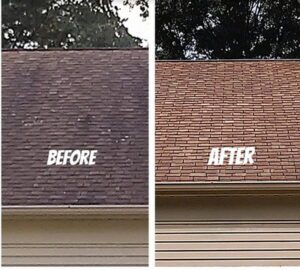
Before and after view of a house in Woodbridge that was soft power washed.
Overview
Exterior cleaning is the removal of dirt, algae, mildew, and pollen from a property’s outdoor surfaces using two main methods: soft washing for delicate surfaces, such as siding and roofs, and pressure washing for hard surfaces such as concrete and brick. Aqua Clean Solutions is a professional exterior cleaning service serving Northern Virginia and Southern Maryland.
This guide explains the most effective exterior cleaning methods, including soft washing, pressure washing, roof cleaning, house washing, and concrete cleaning, and shows when each should be used to protect your home. It also covers how proper maintenance prevents damage, removes algae, and extends the life of your property while helping you choose the right method for every surface.
Why Your Property Gets Dirty
Siding develops dirt, mildew, pollen, and spider webs, which dull your home’s appearance. But most importantly, and what we see most are those black streaks that are formed from bacteria called Gloeocapsa magma, more commonly known as algae. It grows mostly in warm, humid climates, which is common in Northern Virginia during the summer months.
Why You Should Have Your Property’s Exterior Cleaned
Your home or business exterior plays an important role in curb appeal, property value, and long-term protection from the weather. When exterior surfaces are not cleaned regularly, they collect unwanted organisms like algae, mildew, and bacteria. Over time, these contaminants break down roofing materials, stain shingles, weaken wood, discolor concrete, and trap moisture against the structure. This can lead to premature roof aging, rotted trim, slippery walkways, clogged gutters, and expensive repairs that could have been avoided with proper maintenance. Read our follow-up guide on exterior home maintenance in Prince William County.
Why You Should Not Clean Your Property Yourself
DIY exterior cleaning can lead to injuries from ladders, slippery surfaces, and high-pressure equipment. Most homeowners also don’t know when to use soft washing versus high pressure, or how much solution to use, thereby increasing the risk of property damage and resulting in additional costs for you.
Once you’ve decided that professional exterior cleaning is the safest and most effective option, the next step is to choose the right contractor. While pricing and services are important, a company’s reputation can tell you far more about the quality of work you’ll receive. Learn why Google and BBB reviews matter when selecting an exterior cleaning company.
Know the Difference Between Soft Wash and Pressure Wash

Soft pressure wash kills Black algae streaks, Moss, and lichen growth, dirt, and debris without damaging your property
When you hire a contractor to have your property’s exterior cleaned, you should be aware of the type of cleaning they use, and knowing the difference between high-pressure washing and soft washing is important. Soft washing uses low pressure and specialized cleaning solutions to safely remove mold, algae, and dirt from delicate surfaces like siding, roofs, and fences. Pressure washing relies on high-force water to clean tougher materials such as concrete and brick, making each method ideal for different parts of your property.
Read our article for the details of soft washing to keep your property clean and damage-free, and get answers on our FAQ page on soft washing.
Cleaning Your Siding
Before and after photo after soft power wash of a Fairfax home.
Cleaning your siding plays a major role in protecting your home’s exterior from long-term wear and weather exposure, as well as maintaining curb appeal. Pollutants in the air, runoff from trees, road dust, and seasonal moisture gradually cling to the siding’s surfaces, but what is most damaging is the sun’s rays on vinyl siding, which cause oxidation (a chemical reaction from sun and moisture that leaves surfaces faded and chalky) and result in surface discoloration. A proper cleaning approach focuses on loosening and rinsing away buildup without forcing water behind panels or stripping protective finishes. When done on a routine schedule, siding washing keeps colors vibrant, preserves structural integrity, and helps homeowners avoid premature replacements by stopping deterioration before it spreads.
Cleaning Your Roof
Asphalt shingled Roofs are notorious for collecting algae, moss, lichen, and bacteria that can shorten a roof’s lifespan. Those black streaks aren’t just cosmetic – they’re algae breaking down the protective limestone in your shingles. Moss retains moisture that can lift shingles and create leaks, while lichen roots penetrate deep into roofing materials.
Our soft wash roof cleaning process uses low pressure with biodegradable solutions that kill organic growth at the root. This method safely removes contaminants without damaging shingles or voiding warranties. Professional roof cleaning typically extends the roof’s life by 5-10 years and can delay costly replacement.
Driveway Cleaning

Driveways accumulate oil stains, tire marks, and rubber residue. If your driveway is made of concrete, these stains can penetrate deep into it (see “Cleaning Concrete” below). Sidewalks often develop algae and mold, creating slip hazards.
These contaminants make the surface look prematurely aged and can create slip hazards when wet. Standard pressure washing often leaves streaks or uneven cleaning. Our pressure washing process uses professional surface cleaners that provide even results without tiger-striping. We adjust pressure based on the concrete condition and apply pre-treatment for oil stains. This restores concrete to a significantly brighter appearance and prepares surfaces for sealing to prevent future staining.
Cleaning Concrete
Concrete is a porous material made from cement, sand, gravel, and water. This porous structure allows it to absorb oil, dirt, and moisture, which is why regular maintenance is essential to prevent permanent staining and surface degradation. Efflorescence – those white crystalline deposits that form on the surface when water dissolves salts within concrete and carries them to the surface; it also clouds the concrete over time as moisture evaporates.
Deck Cleaning
Wood and composite decks require specialized cleaning that differs from that of concrete or roofs. Wood can be easily damaged by excessive pressure or harsh chemicals. Deck cleaning uses 500-1200 PSI (pounds per square inch), whereas concrete cleaning typically requires 3000-4000 PSI. High pressure causes splintering and permanent damage. Alkaline solutions used on concrete or biocides used on roofs can darken or burn wood.
We use wood-safe cleaners and brightening agents that restore natural color without harming fibers. This prepares the surface for staining or sealing, which protects against moisture damage and UV degradation.
Commercial Pressure Washing
Commercial properties require safe, reliable exterior cleaning to maintain a professional appearance. We clean storefronts, sidewalks, commercial buildings, parking lots, and property exteriors to help businesses maintain high standards.
Data Center Exterior Cleaning
Data centers require a specialized approach to exterior cleaning because they operate around the clock and depend on a well-maintained building envelope, roofing system, and cooling infrastructure. Dirt, pollen, algae, moisture, and airborne contaminants can collect on exterior walls, roofs, intake areas, and surrounding concrete surfaces, which can contribute to premature wear and reduced efficiency of the computer servers inside. In Northern Virginia, especially in Fairfax and Loudon Counties, which contain the vast majority of data centers, and where humidity and seasonal buildup are common, routine exterior cleaning is essential for keeping the computer systems running at their optimum performance. Learn more about our data center exterior cleaning services for commercial facilities in Northern Virginia.
We Live and Work in the Community
As a local neighbor’s exterior cleaning company serving communities across Northern Virginia, we understand that every town has its own environmental factors, property styles, and maintenance challenges. Homes in Woodbridge, for example, often deal with humidity, tree coverage, and seasonal organic buildup that require specialized soft washing and surface-specific pressure washing techniques. Similar conditions exist throughout Fairfax County, Prince William County, and surrounding areas, which is why our approach is always tailored to the local environment and the individual property.
Conclusion
Exterior cleaning is essential for long-term property health and curb appeal, as well as avoiding costly mistakes by doing it yourself. Your property value can deteriorate if not cleaned periodically. That is why a trained professional who knows the Northern Virginia and Southern Maryland area is recommended.